
Balancing motherhood and professional life can be challenging, and breast pumps have become essential tools for lactating moms. With technological advancements, wearable breast pumps have emerged as a convenient solution, allowing mothers to pump discreetly and hands-free while multitasking. But does this innovation work for daily use? This blog explores the effectiveness of wearable breast pumps, evaluating their practicality, comfort, and milk output compared to traditional models. We’ll delve into real-life experiences, offering a comprehensive insight into whether these devices are the optimal choice for busy mothers juggling family, work, and personal commitments. For moms considering a switch to wearable breast pumps, this detailed guide will provide the necessary information to make an informed decision.
How Wearable Breast Pumps Work in Everyday Life
What Makes a Breast Pump “Wearable”
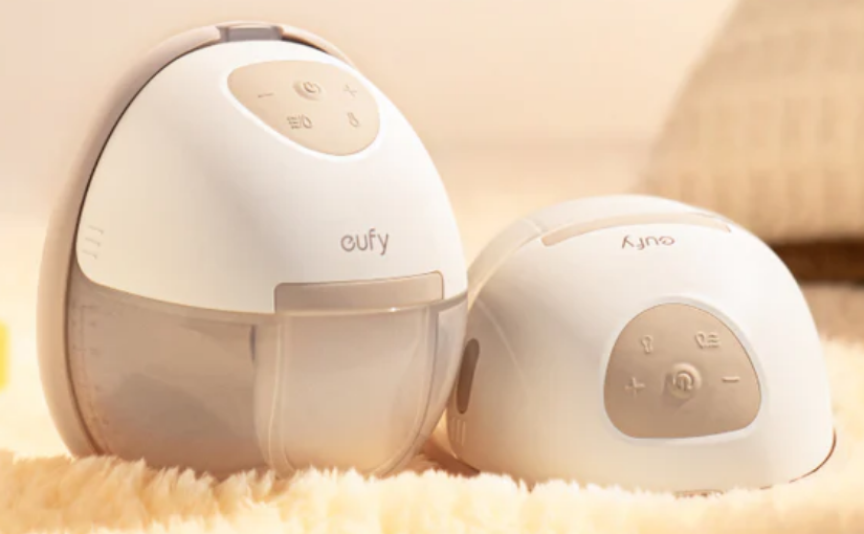
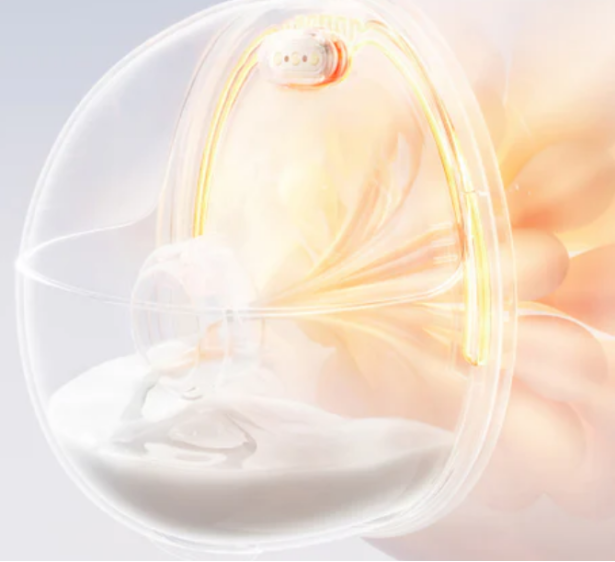
Unlike traditional breast pumps that require external components like tubes and battery packs, wearable breast pumps are designed to fit directly inside a bra, offering convenience and discretion. These pumps are lightweight, portable, and run on rechargeable batteries, allowing mothers to move freely while expressing milk. A standout feature is the lack of external tubing, as the pump components are contained within the breast shell. This design promotes hands-free operation, a boon for mothers who need to carry out tasks simultaneously. Wearable pumps often include smart features like app connectivity for tracking pumping sessions, ensuring mothers can manage their breastfeeding routines seamlessly. The design’s appeal lies in its simplicity and user-friendly nature, delivering a solution tailored to active mothers.
How Moms Use Wearable Pumps at Home and Work
Wearable breast pumps have transformed the daily routines of breastfeeding mothers, allowing them to express milk while handling chores or professional duties without interruption. Busy moms find these devices to be invaluable tools that integrate effortlessly into their lifestyle. For instance, a mother working from home can attend virtual meetings or manage household responsibilities while pumping discreetly. In office settings, wearable pumps provide the advantage of pumping discreetly without requiring dedicated breastfeeding breaks. User reviews highlight the ease of using wearable pumps while commuting or running errands, adding to their appeal for mothers with hectic schedules. The ability to pump without being tethered to a specific location empowers moms to maintain their routines, offering flexibility and freedom.
Effectiveness of Wearable Breast Pumps for Daily Use
Milk Output and Suction Power Compared to Traditional Pumps
An ongoing debate among mothers revolves around the milk output and suction efficiency of wearable breast pumps in contrast to conventional models. Many mothers report a slight drop in output when switching to wearables due to their compact design. Unlike hospital-grade pumps that offer stronger suction and higher efficiency, wearable pumps prioritize comfort and convenience. However, these pumps have made significant advancements in suction technology, often matching the effectiveness of standard models in practical settings. For daily use, the balance between moderate suction and mobility often meets the requirements of mothers whose primary goal is to express milk efficiently while managing other activities. Mothers planning to rely predominantly on pumps for breast milk may benefit from alternating wearables with traditional models to optimize output.
Comfort, Fit, and Long-Term Daily Wear
Comfort and fit are pivotal aspects of wearable breast pumps. Designed to adapt seamlessly to the body, these pumps offer adjustable sizes that ensure a snug fit for different breast shapes. However, long-term comfort varies among users, with some mothers experiencing pressure points or discomfort after extended use. It’s crucial to select a pump that provides an ideal balance between suction power and comfortable fit to prevent soreness or irritation. User feedback often highlights the quieter and discreet operation of wearables, enhancing their suitability for daily wear. Considering both short and extended usage periods, wearable pumps prove to be effective for most women, though individual preferences may dictate comfort levels and pump choice. Choosing the right design and size can enhance comfort during regular use.
Choosing the Right Wearable Pump for Daily Use
Key Features to Look for in a Daily-Use Wearable Pump
When selecting a wearable breast pump, it’s vital to focus on features that ensure effectiveness and comfort in daily use. Battery life stands as a significant factor; longer battery lives enable freedom to pump without frequent recharges. Adjustable suction levels allow mothers to personalize their pumping experience for comfort and efficiency. Additional considerations include storage capacity; pumps with large milk containers reduce the need for frequent emptying. Silence ranks highly for mothers utilizing pumps in professional settings, preventing unwanted attention. Smart features like Bluetooth connectivity and app support can greatly enhance pumping management, offering tracking and reminders. Ultimately, prioritizing features that align with individual needs, such as discreet operation and ease of cleaning, can simplify daily usage for active mothers.
Wearable Pump Options from eufy for Modern Moms
eufy, known for its innovative home solutions, offers a range of wearable breast pumps tailored for modern moms. The eufy wearable pumps blend seamlessly into active lifestyles, epitomizing convenience and efficiency. Models come equipped with smart features, enabling effortless tracking of pumping sessions through coupled apps. Leading designs prioritize comfort and fit, with customizable sizes to ensure personal satisfaction. eufy’s silent operation enhances the ability to pump discreetly at work or social gatherings. With robust battery life, these pumps eliminate the hassle of constant recharging. Customer testimonials underscore satisfaction with both ease of use and milk output. With options ranging from minimalist to fully featured models, eufy caters to diverse user preferences, solidifying its reputation in the wearable breast pump market.
Conclusion
In evaluating the effectiveness of wearable breast pumps for daily use, it is clear that these innovative devices deliver substantial value to busy mothers seeking flexibility in milk expression. While they may not match the efficiency of hospital-grade models, their discreet and portable design offers unmatched convenience. Wearable pumps excel in integrating into varied lifestyles, empowering mothers to maintain their routines while ensuring their infants receive adequate nourishment. The choices available, particularly from leading brands like eufy, emphasize comfort, technological advancement, and user-friendly operation. For mothers prioritizing multitasking and mobility, wearable breast pumps represent a viable solution for daily use, facilitating a smoother breastfeeding journey. Balancing personal comfort with pumping needs will help mothers choose the ideal device to complement their daily activities effectively.