

Robot vacuums are increasingly popular, offering convenience and smart technology for maintaining clean floors. These autonomous machines often raise questions about their effectiveness across different flooring types. Understanding their capability is key to deciding if they’re right for your home. As we delve deeper into how robot vacuums operate, you’ll discover their adaptability and limitations on various surfaces such as hardwood, carpet, tile, and rugs. Additionally, we’ll explore the features that make them compatible with diverse floor types and how to choose the right model, especially for homes that boast a mixture of surfaces. In doing so, you can make an informed choice that aligns with your household needs and ensures optimal performance and efficiency in keeping your floors spotless.
How Robot Vacuums Perform on Different Floor Types
Hardwood and Laminate Floors: Daily Dust Control
Robot vacuums are quite effective on hardwood and laminate floors, where daily dust and debris accumulation is common. Their design often incorporates soft brush rolls, which gently sweep dust away without scratching the surface. These vacuums navigate seamlessly across smooth surfaces, but their true prowess lies in their ability to consistently pick up fine particles, leaving your hardwood and laminate floors spotless. However, these machines may struggle with larger debris, especially if their collection bins are small. Multi-floor homes benefit greatly from robot vacuums as they maintain a consistent level of cleanliness on hardwood and laminate without constant oversight. With features like edge cleaning modes, they can tackle the often-neglected corners and edges where dust accumulates, ensuring comprehensive coverage.
Carpet and Rugs: Suction, Brushes, and Depth
On carpets and rugs, robot vacuums offer a different set of advantages. Their suction and brush mechanisms often allow them to dig deeper into carpet fibers, extracting dirt that might be missed during regular vacuuming. Robot vacuums with rotating brushes are ideal for thicker carpets as they can agitate fibers to release embedded dirt. However, not all models are built for high-pile carpets; hence, checking product specifications for compatible surfaces is essential. As for rugs, these vacuums might encounter difficulties, especially with fringe obstacles and uneven surfaces. Therefore, models with adjustable suction settings and the ability to detect flooring changes are recommended. Ensuring your carpet stays clean involves selecting vacuums with robust suction power and specialized brushes that can handle the task.
Tile, Vinyl, and Stone: Cracks and Grout Challenges
The challenges posed by tile, vinyl, and stone floors revolve around cracks and grout lines. Robot vacuums navigate these surfaces, but the effectiveness can vary. While they do a decent job on smooth tiles and vinyl, they may struggle with uneven surfaces and deep grout lines. Dual brushes may aid in sweeping debris out of grout lines, yet some debris might remain trapped. Advanced models equipped with intelligent sensors can adapt to different floor heights and patterns, improving their performance over time. These vacuums are well-suited to routinely clean vinyl, tile, and stone but may require occasional manual intervention for deep cleaning tasks. Choosing models with robust sensors can boost their ability to handle unique challenges presented by these floor types.
Key Features That Decide Floor Compatibility
Suction Power and Auto-Adjustment Systems
Suction power is pivotal in a robot vacuum’s ability to clean effectively. High suction power ensures dirt and debris are removed from all floor types, especially when transitioning from hardwood to carpet. An auto-adjustment system further enhances this by modifying suction based on floor detection. This technology adapts the vacuum’s power setting, ensuring optimal cleaning performance. Such features are invaluable in homes with mixed floor types, where constant power adjustments are required. Additionally, vacuums with turbo suction modes can efficiently deal with stubborn dirt patches or heavily soiled areas. Therefore, considering suction capabilities and floor-adaptive features when selecting a robot vacuum can greatly impact overall cleaning outcomes.
Brush Roll Design and Tangle Reduction
Brush roll design plays an integral role in how robot vacuums handle different surfaces, especially carpets. Multi-surface brushes can accommodate various floor types without tangling hair or fibers, which is crucial in homes with pets. Some vacuums feature tangle-free brush rolls that minimize the hassle of manually untangling trapped hair. With self-cleaning brush roll systems, maintaining your device becomes significantly easier. Effective brush roll designs offer a sleek and efficient solution for homes with mixed surfaces, reducing maintenance requirements while ensuring consistent cleaning performance. When evaluating this feature, consider how well it handles transitions, thereby determining overall adaptability.
Smart Navigation and Floor Mapping Accuracy
Navigation technology, including floor mapping, ensures robot vacuums traverse your home efficiently. Accurate mapping capabilities allow vacuums to distinguish between different floor types and adjust their cleaning paths accordingly. Advanced models featuring LiDAR navigation guide devices through intricate layouts, avoiding obstacles while ensuring consistent coverage. These vacuums plan efficient routes to maximize coverage and minimize time spent cleaning. Enhanced navigation not only aids in consistent cleanliness but also protects furniture from accidental bumps. Therefore, opting for a model with excellent navigation capabilities significantly impacts its effectiveness, especially in larger homes with varied surfaces.
Choosing the Right Robot Vacuum for Mixed Floors
Homes with Pets and Heavy Shedding
Homes with pets demand robust vacuums capable of handling hair and debris. Robot vacuums with specialized pet-friendly features, like high suction power and self-cleaning brushes, provide tailored solutions. Tangle-free brush rollers minimize hair clogs and maintenance issues, ensuring consistent performance. Advanced sensors detect areas of heavy shedding, optimizing cleaning routes for superior efficiency. Models boasting allergy and pet hair filters offer added benefit by capturing allergens, enhancing air quality at home. Selecting a vacuum tailored for pet owners prevents mess accumulation and maintains a cleaner environment.
Apartments vs. Large Homes with Multiple Surfaces
Choosing a robot vacuum depends significantly on home size and floor variety. Compact models suit apartments, offering efficient coverage over smaller areas without compromising power. Larger homes require robust vacuums with expansive mapping capabilities, accommodating multiple surfaces and maintaining cleaning efficiency. Devices with zoned cleaning options are ideal for targeting specific areas or high-traffic zones. Battery life is crucial—larger homes benefit from models featuring long-lasting batteries for uninterrupted cleaning sessions. Matching device features with home specifics optimizes performance and ensures hassle-free cleanliness.
Matching Floor Needs with eufy Robot Vacuum Options
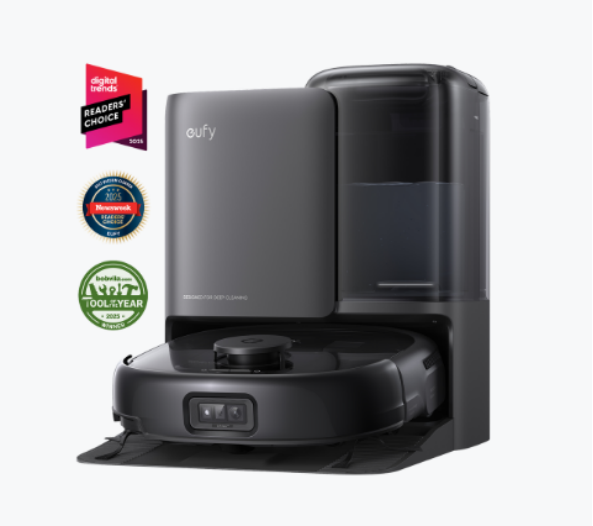
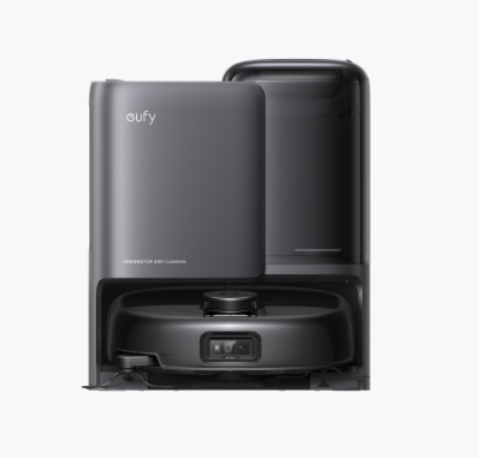
eufy offers various robot vacuums tailored for mixed floor conditions. Models like the eufy Robot Vacuum Omni S1 Pro excel in homes with varied surfaces, incorporating smart navigation and multi-floor mapping systems. With robust suction power and adaptive cleaning features, eufy vacuums accommodate hardwood, carpet, and tile seamlessly. Brand features include tangle-free rollers and high-efficiency filters, promoting thorough cleanliness in pet-friendly spaces. Reviewing eufy’s product specifications reveals adaptable solutions for maintaining clean environments amidst diverse flooring challenges. Prioritizing multi-surface technology ensures optimal vacuum performance tailored to home needs.
Conclusion
Robot vacuums are adaptable home assets, offering varied degrees of efficiency across multiple floor types. Factors like suction power, brush design, and navigation technology determine their effectiveness in maintaining cleanliness. It’s important to assess product specifics based on your home environment and cleaning needs, ensuring the device you choose offers maximum compatibility with your floor surfaces. For homes with pets or varied flooring, advanced features offer substantial advantages. Ultimately, taking the time to understand these capabilities results in smarter purchase decisions and a cleaner home.